

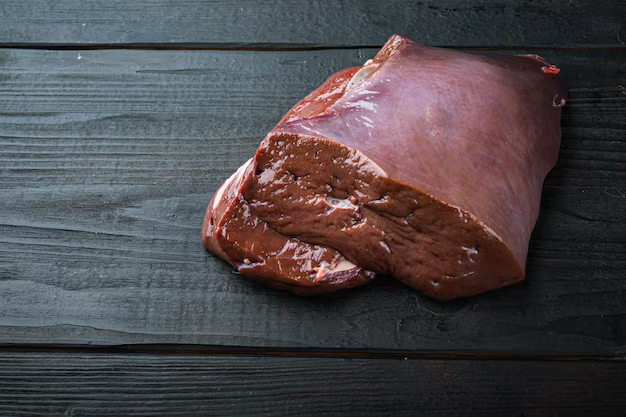
Es una delicia encebollado, empanizado o rebozado. Excelente fuente de hierro, vitamina A y B. Consuma hígado Q´Karne con confianza, ya que nuestro ganado es libre de hormonas.

Es una parte de la pierna delantera. Se usa en caldos, para deshebrar y en guisados.
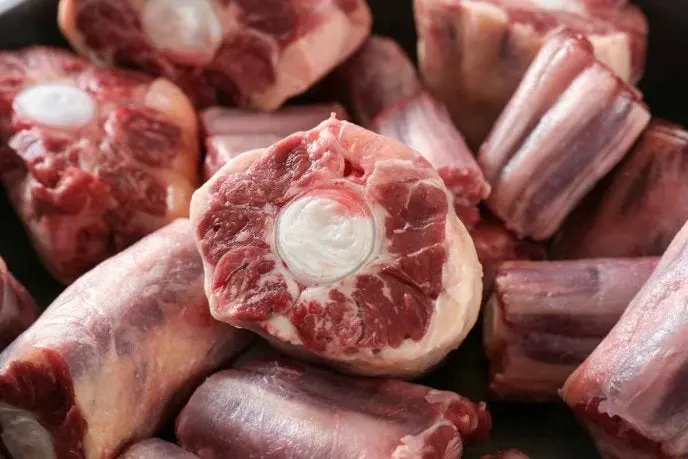
La cola de res es la protagonista en varios platillos de cocina francesa y se caracteriza por su gran sabor y suavidad.
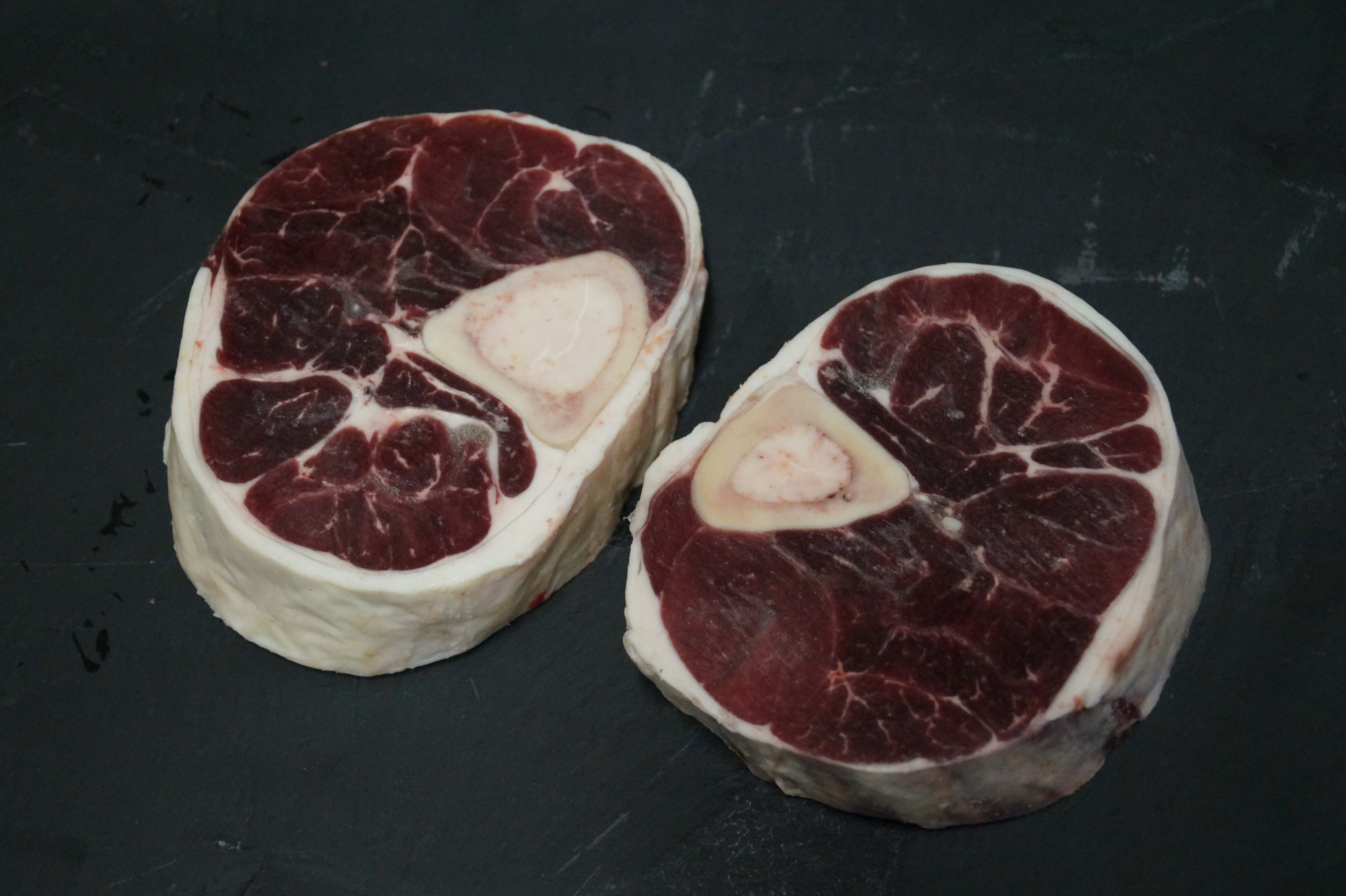
Chambarete trasero porcionado con un espesor de 2 1/2 pulgadas. Cuenta con tuétano, que es muy apreciado.

Consiste de carne magra de piezas completas con el balance perfecto de grasa que ayuda a mejorar el sabor.

Se caracteriza por su sabor inigualable. Se recomienda cocerlas a fuego lento o ahumadas.

Consiste de falda de res.

Nuestro bistec más económico que cuenta con buen balance de carne/ grasa logrando un sabor muy agradable.

Es una parte de la costilla que se encuentra atrás del pecho. El sabor de esta pieza es muy comparable al del famoso Short rib y nosotros lo ofrecemos con un espesor de 8mm para que sea perfecto para el asador de botana.
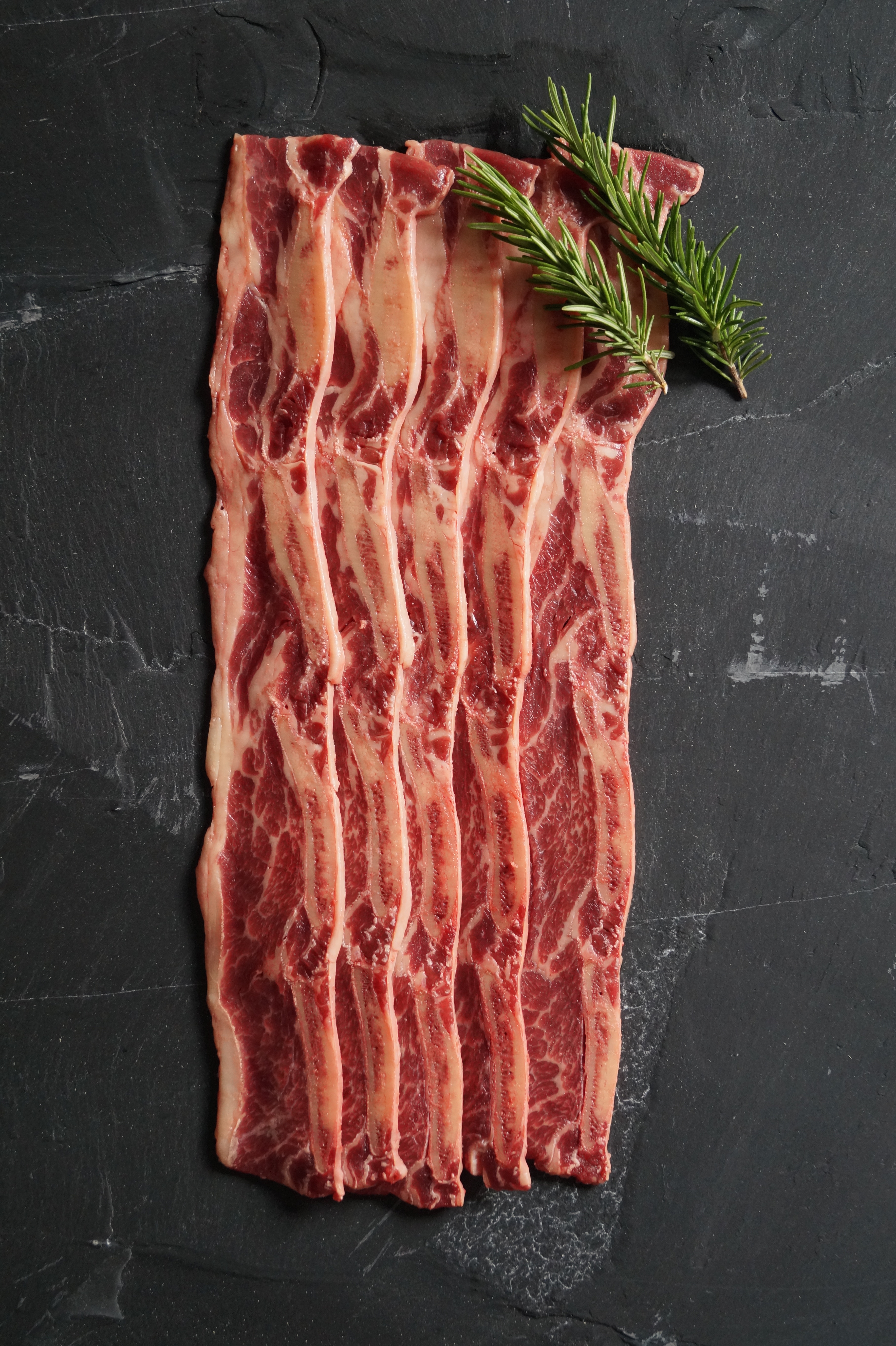
Lo manejamos en 2 presentaciones. Corte perpendicular a las costillas como el asado de tira que se recomienda para asar y el corte longitudinal con costillas para hornear.
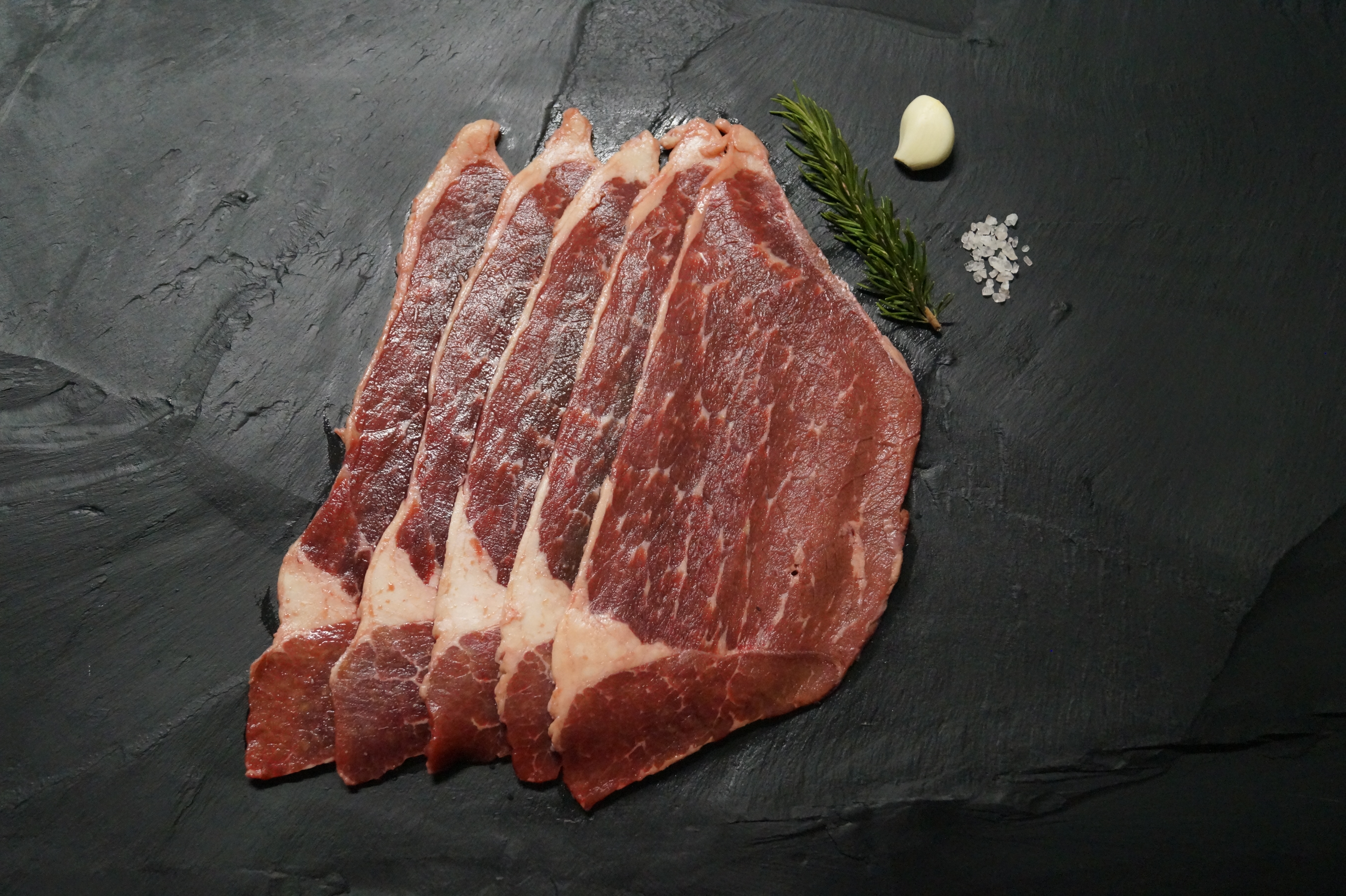
Carne magra con algo de grasa en la orilla. Se recomienda asado, a la plancha o guisado.
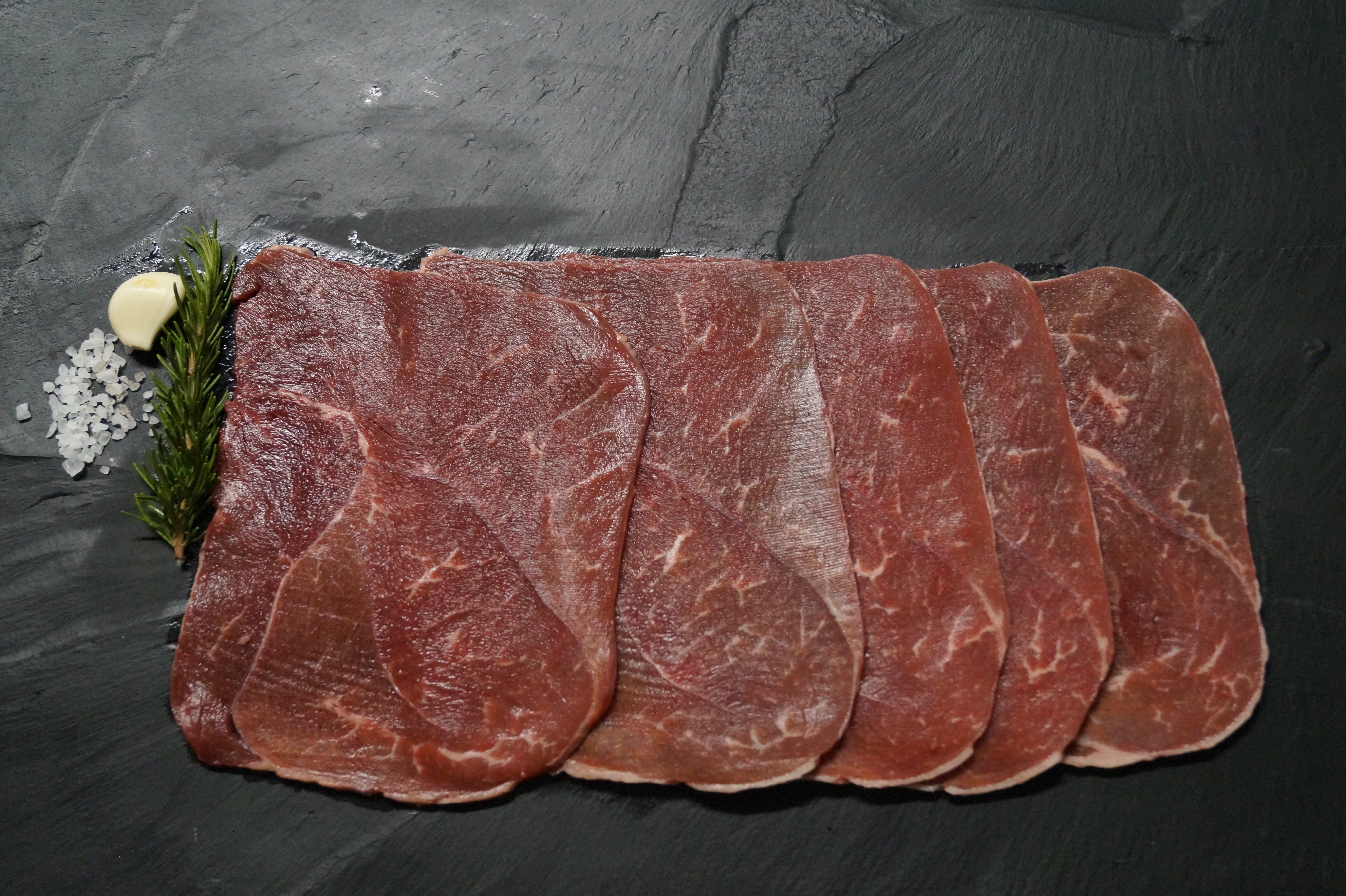
Carne magra con algo de grasa en la orilla. Se recomienda asado, a la plancha o guisado.

Carne magra con algo de grasa en la orilla. Se recomienda asado, a la plancha o guisado.

El bistec más codiciado, muy suave y con sabor muy parecido al Ribeye.
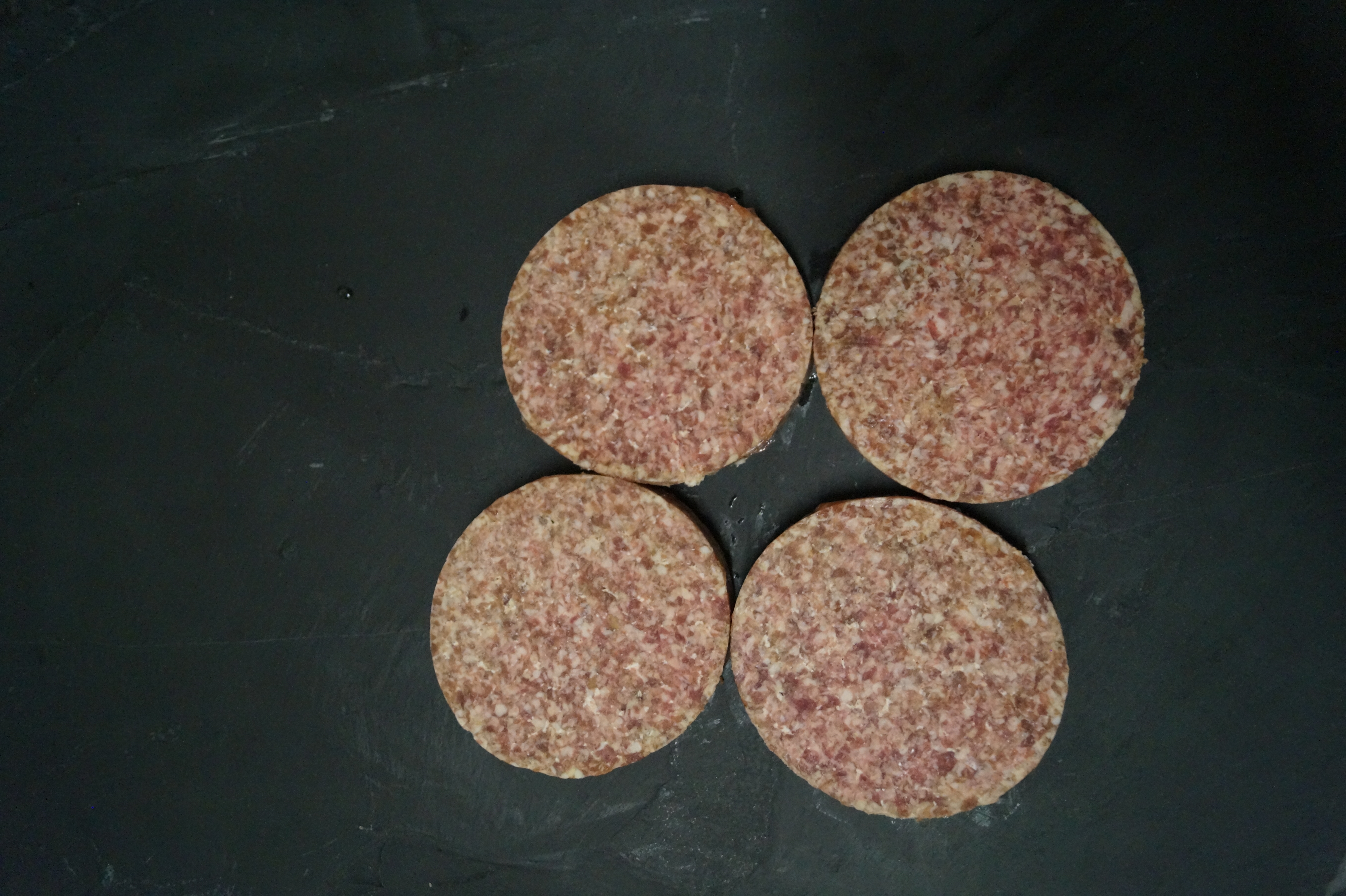
Nuestra hamburguesa mas económica. Consiste únicamente de tapas de cortes y piezas base para lograr aproximadamente 80% carne y 20% grasa.
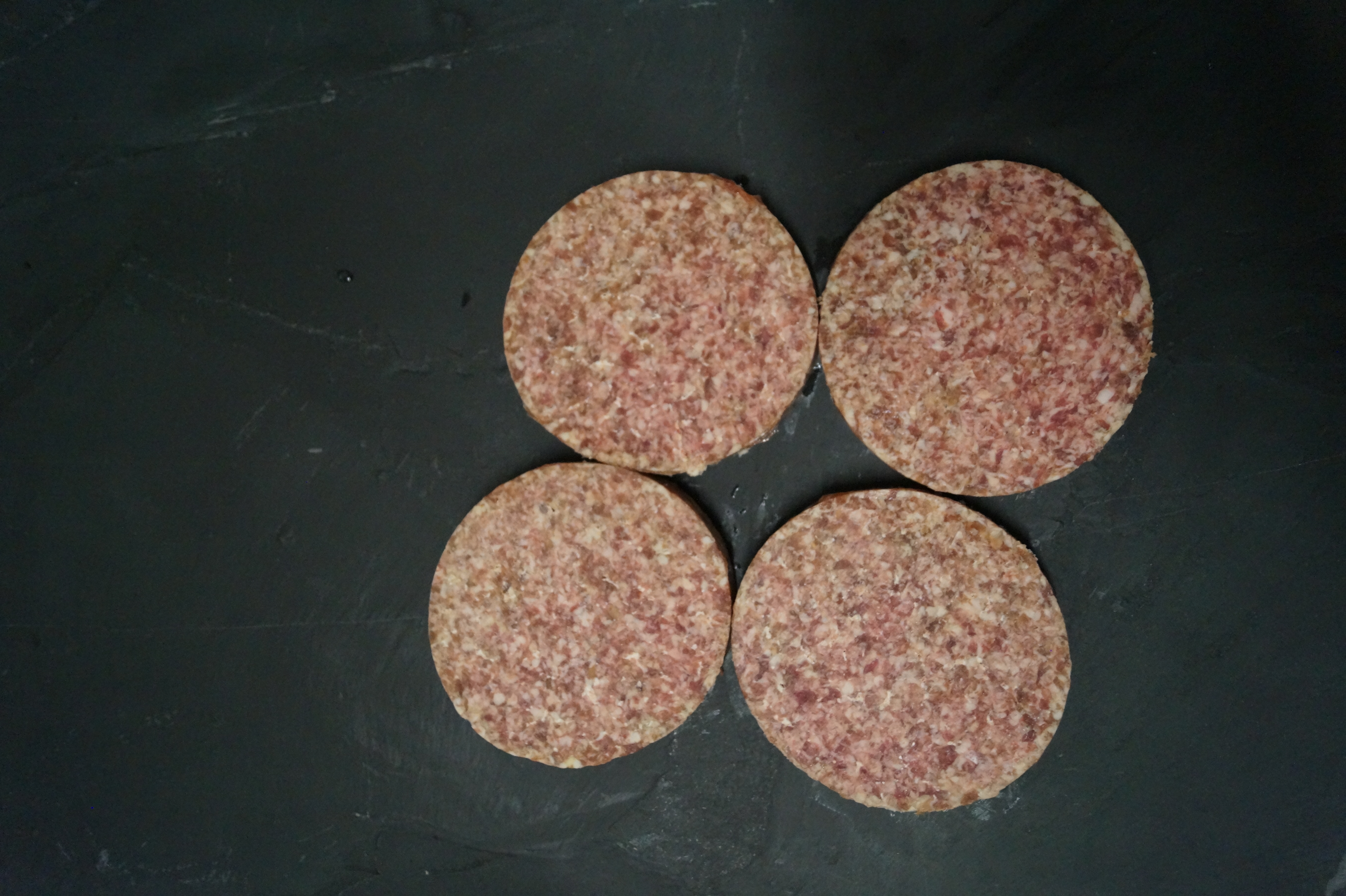
Esta hamburguesa es la especialidad de la casa, consiste de 100% costilla deshuesada. A pesar de ser la que mayor cantidad de grasa es la favorita debido a su sabor. Aproximadamente 60% carne y 40% grasa.
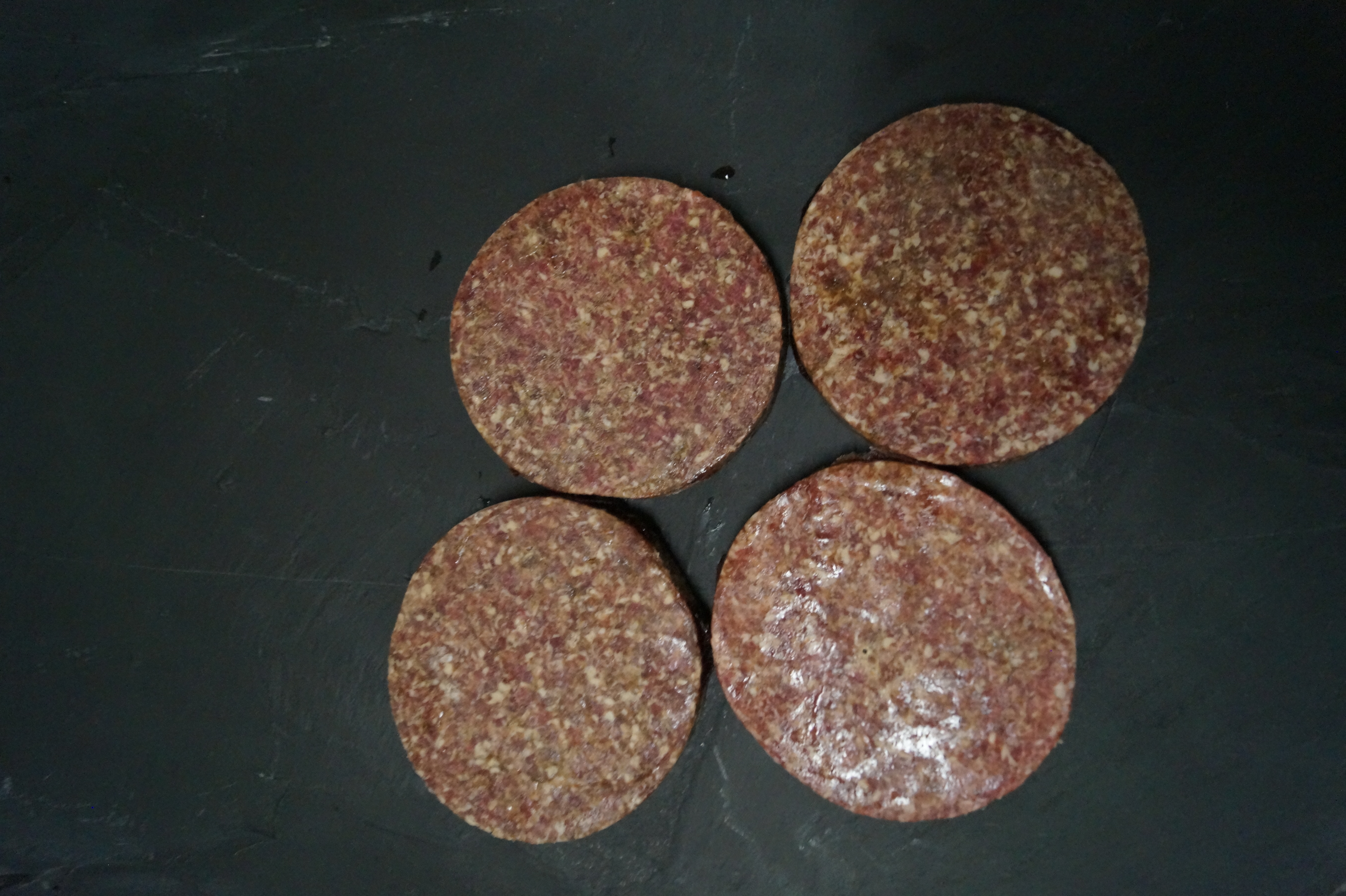
Consiste únicamente de Diezmillo que tiene un sabor muy parecido al Rib eye. Esta es la favorita de los que quieren una Hamburguesa con mucho sabor y poca grasa. Aproximadamente 80% carne y 20% grasa
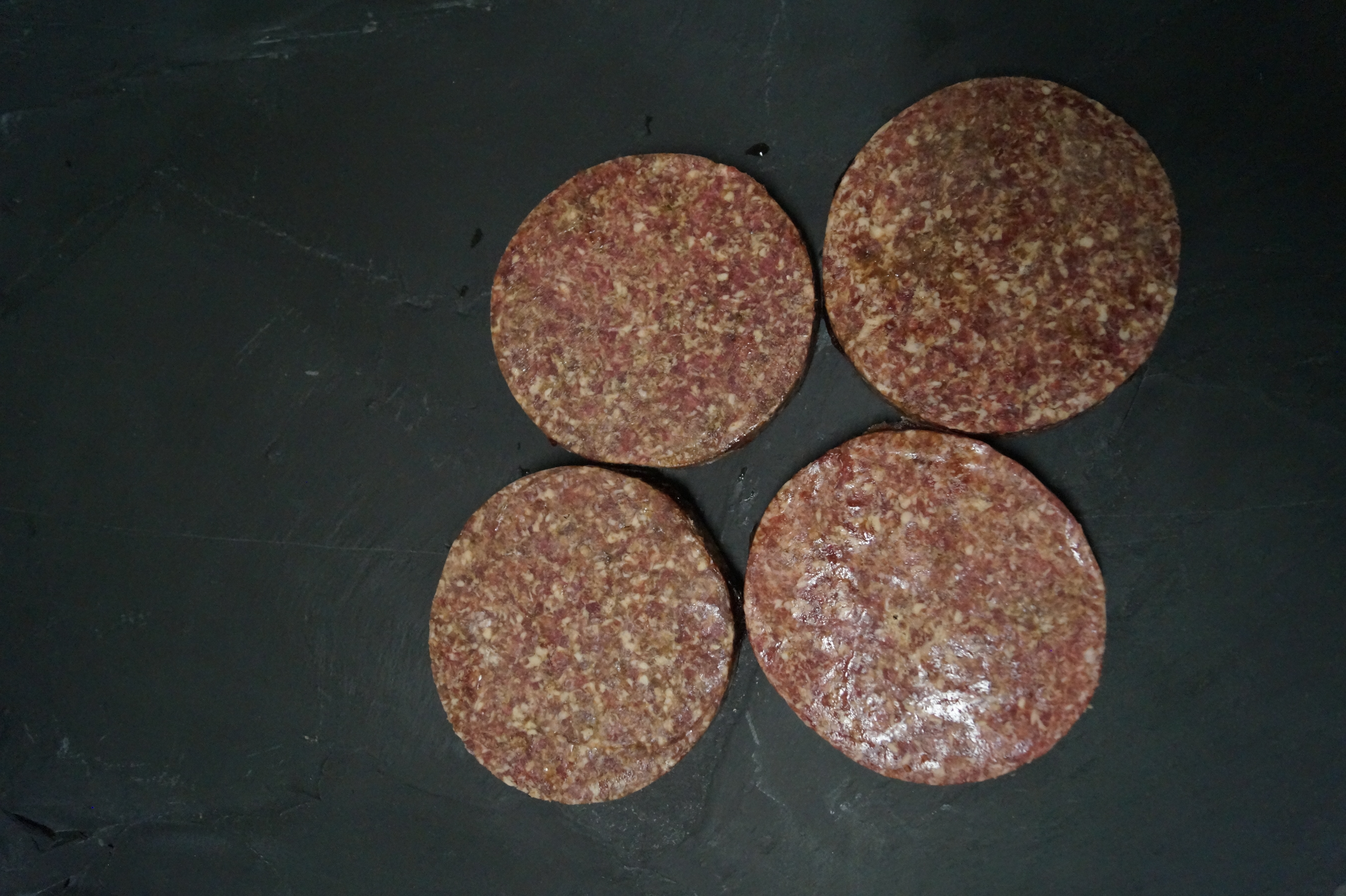
Nuestra Hamburguesa más vendida que consiste únicamente de Sirloin. Aproximadamente 80% carne y 20% grasa.

El corte más económico. Es una muy buena opción para asar; es muy suave y con un sabor muy similar al Rib eye.

Corte muy limpio de forma ovalada, con poca grasa y marmoleo. Proviene de la parte superior del lomo a la altura del aguayón. Se recomienda cocer a la plancha o al carbón.

Un clásico de asado argentino, en el que la carne se corta en dirección perpendicular a las costillas. Este corte es el más vendido por su sabor, además de su divertida forma de comer ya que la mejor carne es la que está pegada al hueso.

Es un T-bone pero con mayor cantidad de filete. Es un corte muy codiciado debido a sus dos consistencias y sabores distintos de cada lado del hueso. Además el tener hueso en medio resulta en un sabor muy agradable.

Es un corte muy codiciado debido a sus dos consistencias y sabores distintos de cada lado del hueso en forma de “T”. Al ser un corte con hueso le ayuda a tener mejor sabor.

Es un corte americano muy famoso que contiene una capa de grasa de un lado, muy buen sabor y marmoleo. Se recomienda asar al carbón.
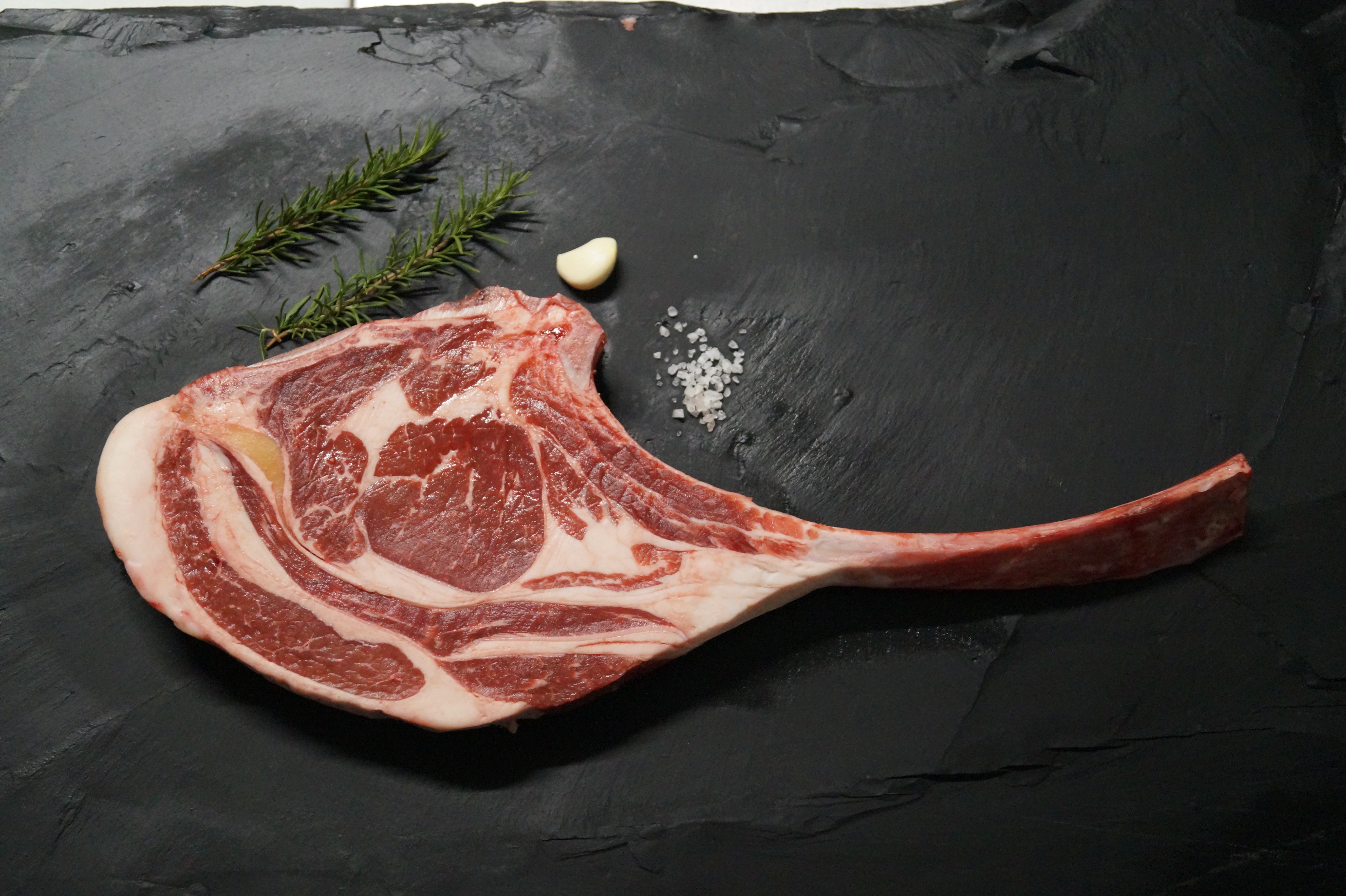
Además de ser el más atractivo visualmente, este corte tiene todo lo que cualquier amante de la carne desea. Es un corte que sale del mismo lugar que el Cowboy y el Ribeye pero el espesor del mismo lo determina el ancho de la costilla (aprox. 24mm).

Básicamente es un Ribeye con la costilla que tiene muy buena vista. Tiene todos los atributos del Ribeye pero con mejor sabor debido al hueso que contiene.

Es un medallón de filete con la costilla en dos lados formando una “L” que le da un muy buen sabor con la suavidad y jugosidad que caracteriza al filete.

Es de los cortes americanos más populares de res. Es un corte muy jugoso con buen marmoleo y la proporción perfecta de grasa externa. El resultado de este corte asado al carbón es excepcional.

Es la parte más suave, jugosa y con poca grasa de la res.

Nuestro marinado contiene únicamente ingredientes de origen natural.

Nuestro marinado contiene únicamente ingredientes de origen natural.

Costilla porcionada con corte perpendicular y marinado con nuestro exquisito marinado. Ideal para botanear en lo que está lista la carnita asada.

Nuestro Marinado contiene únicamente ingredientes de origen natural.

Nuestro Marinado contiene únicamente ingredientes de origen natural.

Nuestro Marinado contiene únicamente ingredientes de origen natural.

Nuestro Marinado contiene únicamente ingredientes de origen natural.
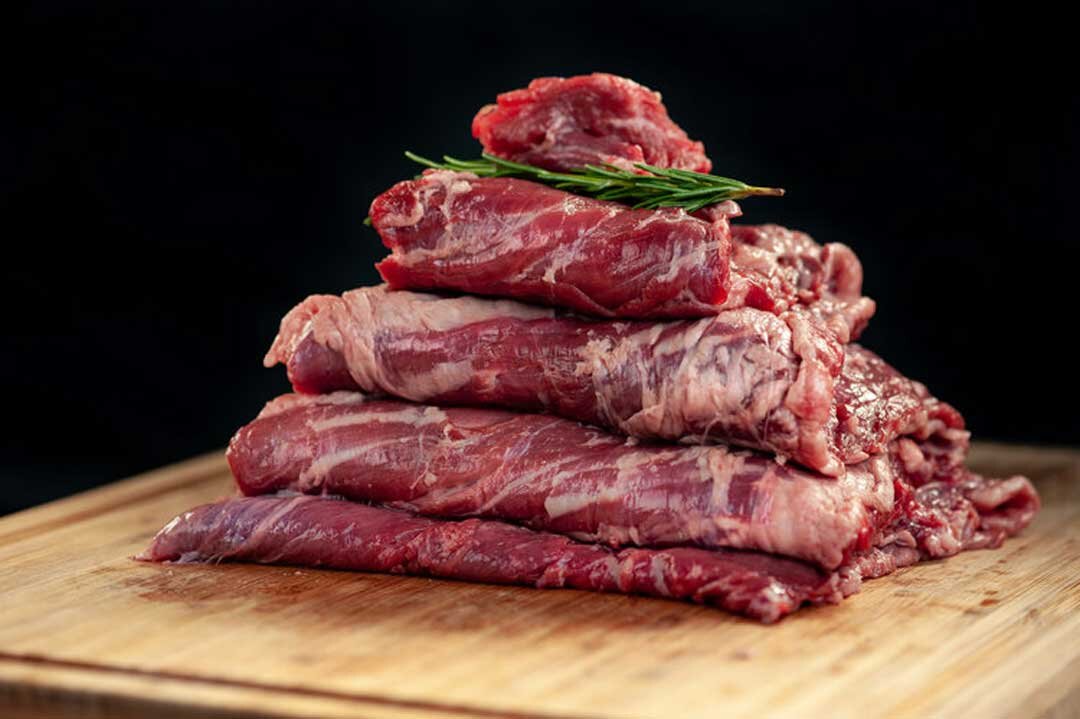
Nuestro Marinado contiene únicamente ingredientes de origen natural.

Es la parte magra más suave y sabrosa de res. La combinación con nuestro marinado es exquisita.

Ubicado por debajo del sirloin, es una pieza muy magra que normalmente se cuece al horno o en asador se sella primero a fuego alto y se cuece a fuego lento varias horas para un buen resultado.
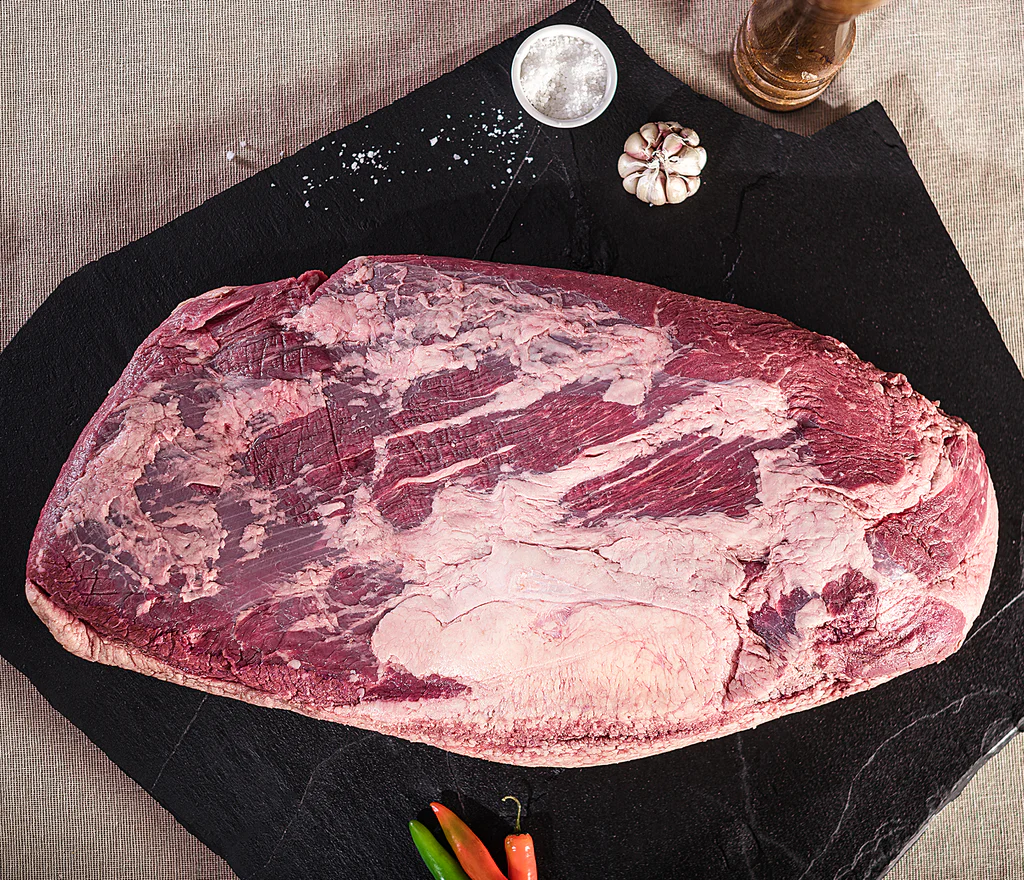
Es un corte que viene del pecho y es una pieza que se debe cocer lentamente para disfrutar del sabor y suavidad que ofrece. Hay que tener paciencia pero vale mucho la pena la espera.

Se caracterizan por su sabor inigualable. Se recomienda una cocción en horno a fuego lento (125 oC) por casi 3 horas y posteriormente se puede terminar en asador a fuego alto solo para que se dore por fuera.

Corte argentino situado en la zona lateral trasera, entre las costillas y la cadera. Es carne muy jugosa que se acostumbra asar a fuego medio bajo. Viene recubierto de una membrana que se deja porque al asar a las brasas queda muy crujiente y ayuda a conservar los jugos del interior resultando en mayor suavidad.

Corte de carne que se obtiene del muslo de la res. En Oaxaca se prepara el cuete mechado; en otras regiones se utiliza para obtener bistec.
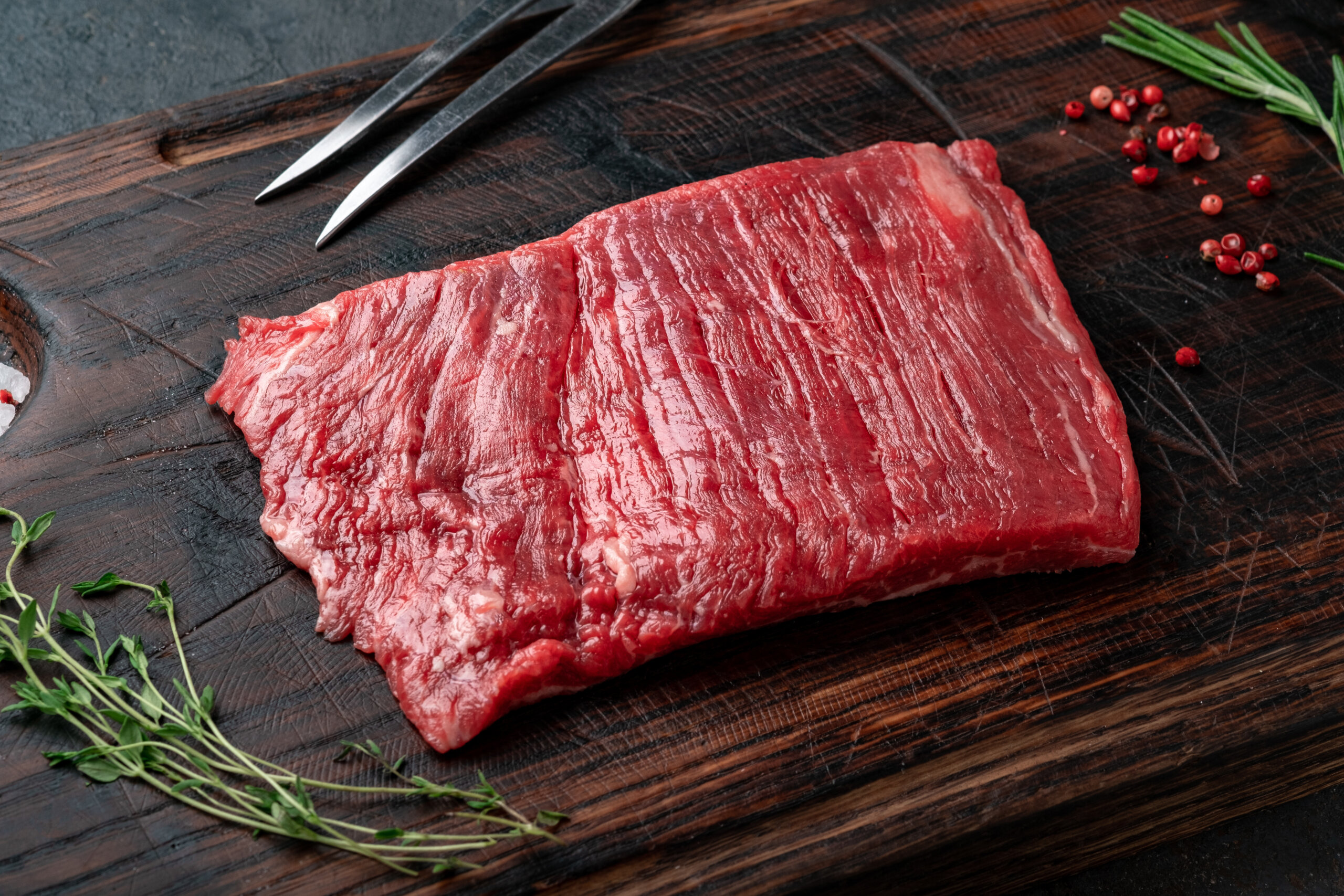
Es una pieza poco conocida que tiene casi la misma suavidad del filete pero que resulta bastante más jugosa. En el asador se recomienda sellar todos los lados a fuego medio alto y después seguir asando a fuego lento hasta que quede bien cocida.

Es una pieza de más o menos 2 kilos llamada “Arrachera Outside con membrana” en mexico. Es muy apreciado por su gran sabor y facilidad de cocción. Se recomienda asada a fuego medio hasta que la membrana se dore de ambos lados y después dejar un rato más a fuego bajo para lograr un término de 3/4. El resultado es una crujiente capa externa con un interior suave, jugoso y lleno de sabor.

Es una pieza de aproximadamente 2 kilos que es la punta del Sirloin. Tiene una generosa capa de grasa en la parte superior que se debe conservar al momento de asar. Se recomienda sellar todos los lados a fuego medio y posteriormente continuar la cocción a fuego bajo por un par de horas hasta lograr el término deseado. Esta pieza tiene una suavidad y jugosidad excepcional con bajo contenido de grasa.

La caña de filete es lo más codiciado de toda la res. Es de las partes más magras pero con una suavidad insuperable. Se puede asar, hornear o simplemente hacer a la plancha. Nosotros la recomendamos en asador de carbón o de leña. Primero sellar toda la pieza y después seguir cociendo a fuego lento.
*BAJO PEDIDO


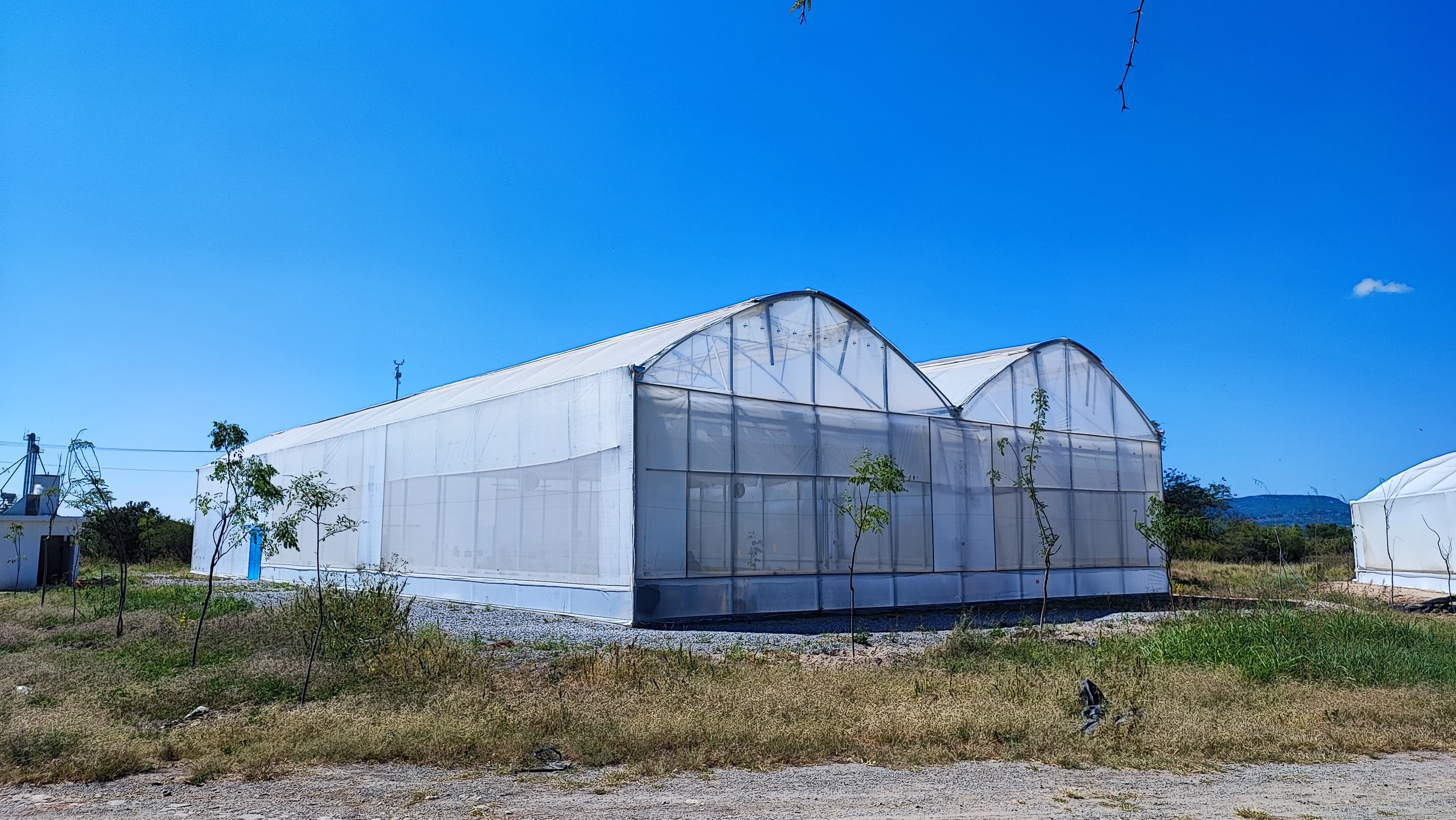
AQUAPONICS
AQUAPONICS
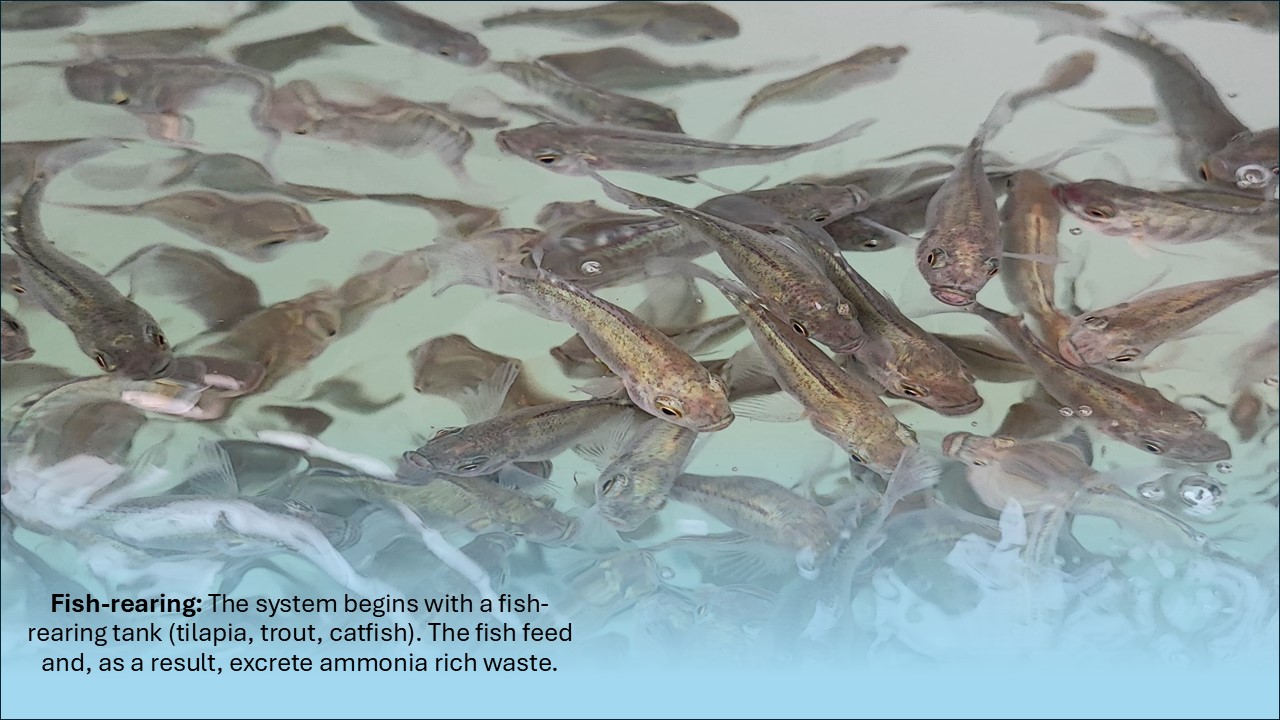
It is an innovative technique that combines the cultivation of aquatic organisms and plants in a closed and self-sufficient ecosystem. Both organisms work together to create a prosperous environment. In other words, it’s an ecological and efficient form of agriculture that utilizes fish waste to nurture plants, while those plants simultaneously purify the water for the fish, forming a close and productive cycle.

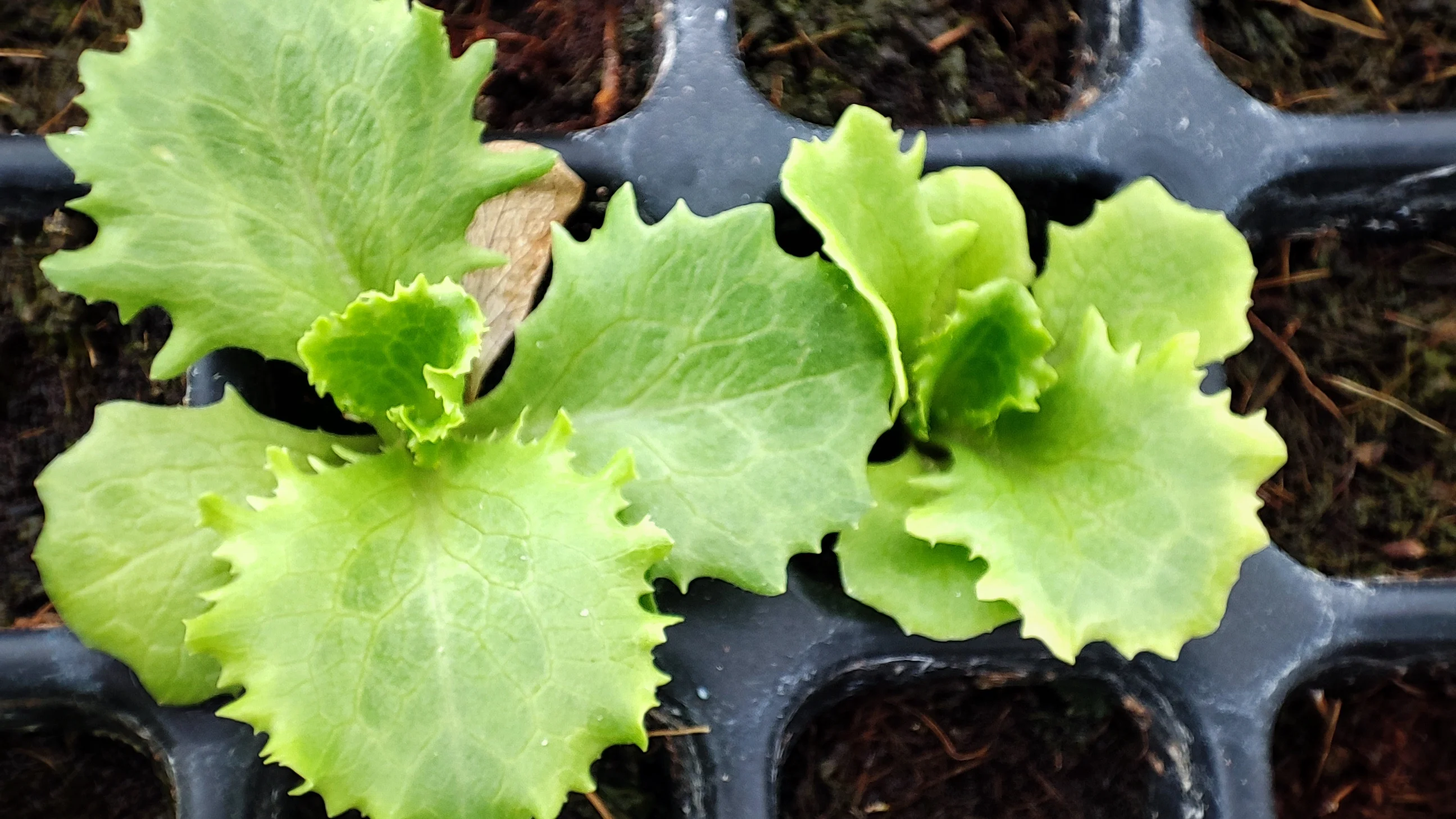

HABLAMOS DE UN ESTABLECIMIENTO DEDICADO A LA COMERCIALIZACIÓN DE PRODUCTOS CÁRNICOS DE LA MÁS ALTA CALIDAD. EMPAQUETADOS AL ALTO VACÍO Y ALGUNOS PRODUCTOS FRESCOS LISTOS PARA SU VENTA. NUESTRA ALTA SELECCIÓN DE CARNES SE COMPLEMENTA CON ALGUNOS PRODUCTOS REGIONALES PERTENECIENTES AL ESTADO DE QUERÉTARO Y OTROS DE LA NUEVA REGIÓN DONDE SE UBICARÁ EL NUEVO PUNTO DE VENTA.
HABLAMOS DE UN ESTABLECIMIENTO DEDICADO A LA COMERCIALIZACIÓN DE PRODUCTOS CÁRNICOS DE LA MÁS ALTA CALIDAD. EMPAQUETADOS AL ALTO VACÍO Y ALGUNOS PRODUCTOS FRESCOS LISTOS PARA SU VENTA. NUESTRA ALTA SELECCIÓN DE CARNES SE COMPLEMENTA CON ALGUNOS PRODUCTOS REGIONALES PERTENECIENTES AL ESTADO DE QUERÉTARO Y OTROS DE LA NUEVA REGIÓN DONDE SE UBICARÁ EL NUEVO PUNTO DE VENTA.
It is an innovative technique that combines the cultivation of aquatic organisms and plants in a closed and self-sufficient ecosystem. Both organisms work together to create a prosperous environment. In other words, it’s an ecological and efficient form of agriculture that utilizes fish waste to nurture plants, while those plants simultaneously purify the water for the fish, forming a close and productive cycle.
Aquaponics is a more efficient alternative in terms of water consumption, it also reduces the need for chemicals and pesticides, and is easily adaptable to diverse spaces.
Benefits include:
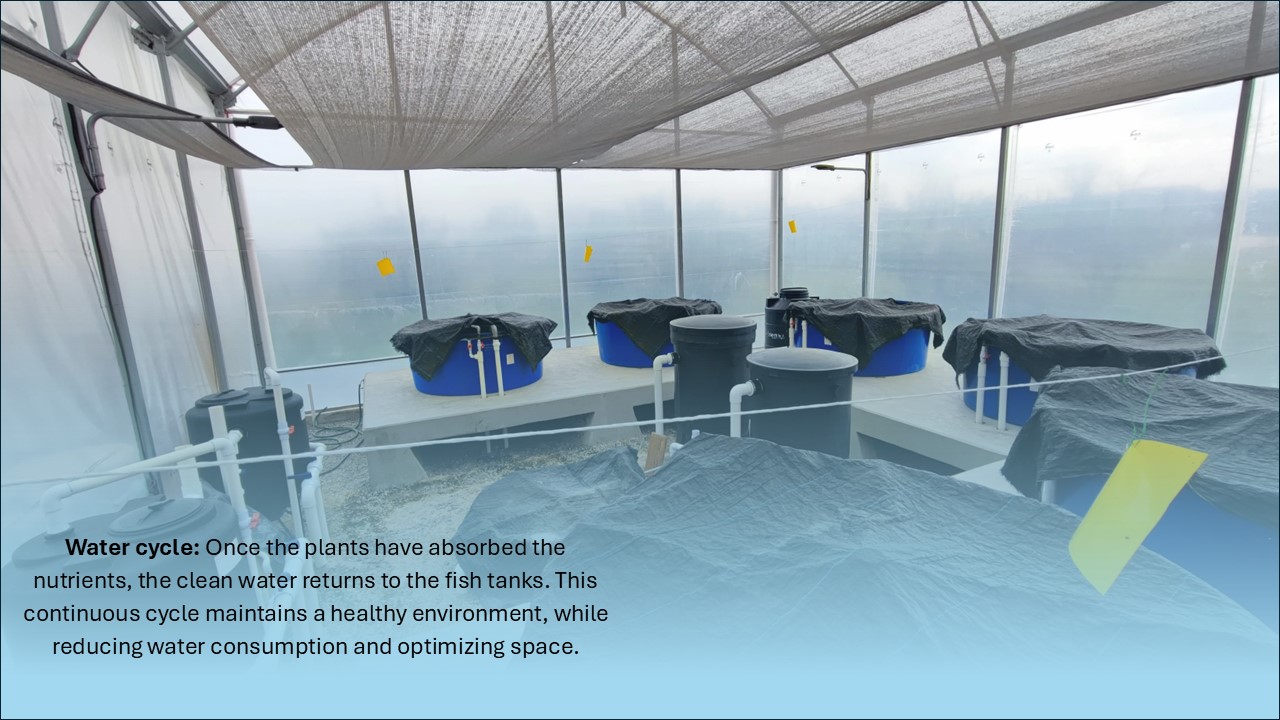
• Requires up to 90% less water than traditional agriculture due to the continuous recirculation between the fish tanks and the growth beds.
• Allows the simultaneous production of fish and vegetables, offering two food sources in a single system.
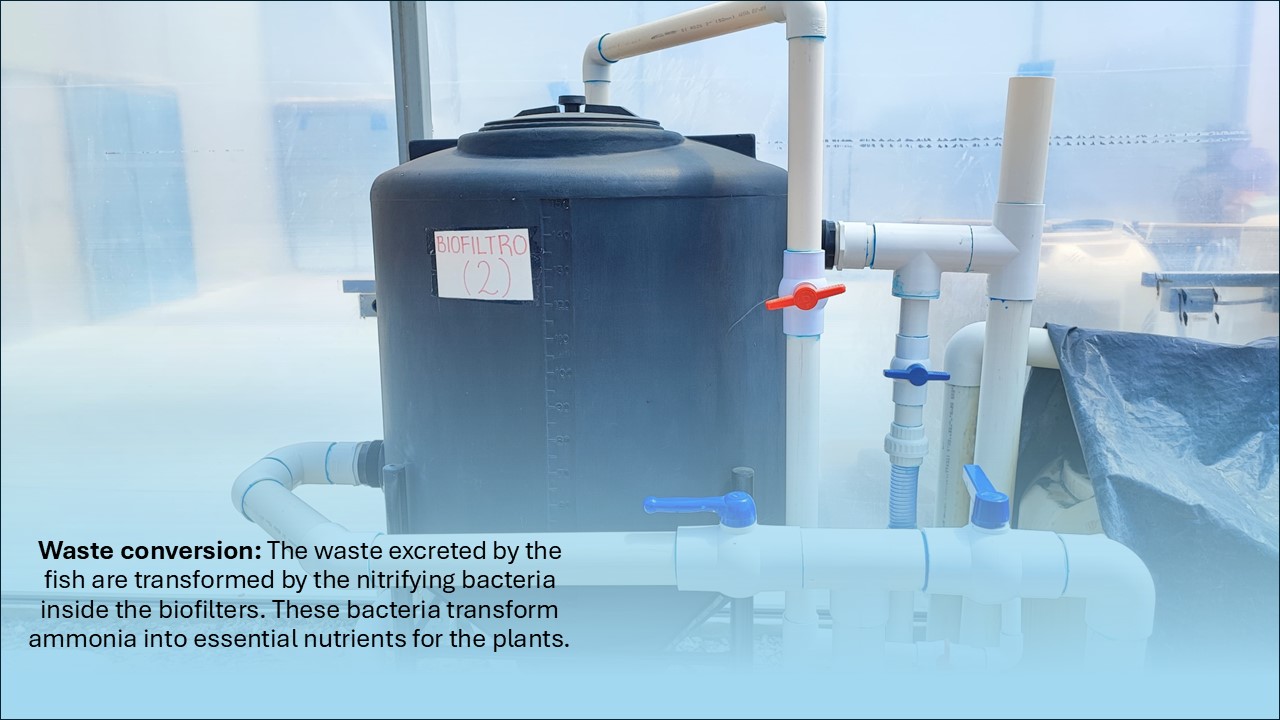
• Fish waste is transformed into natural nutrients for the plants, eliminating the need for chemical fertilizers.
• The closed and controlled system eliminates the need for pesticides, since plagues are easier to control.
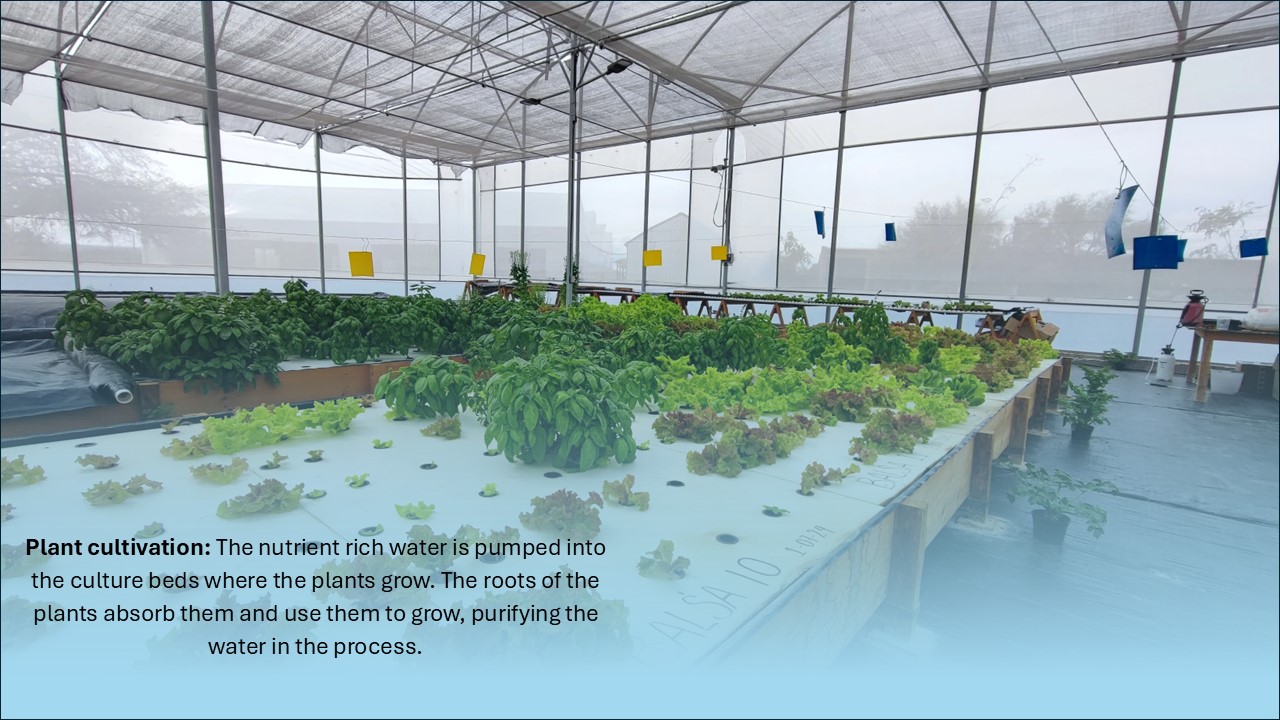
• No soil is required for plant cultivation, allowing food to be produced in urban areas, low quality soil regions or limited spaces.
• Plants grow faster thanks to the constant supply of nutrients and oxygen available to the roots. This can shorten culture cycles, which translates to more harvests per year.
• By being an integrated and local system, it reduces the need for food transport and distribution systems, reducing the carbon footprint associated with food production.
Aquaponics is a more efficient alternative in terms of water consumption, it also reduces the need for chemicals and pesticides, and is easily adaptable to diverse spaces.
Benefits include:
• Requires up to 90% less water than traditional agriculture due to the continuous recirculation between the fish tanks and the growth beds.
• Allows the simultaneous production of fish and vegetables, offering two food sources in a single system.
• Fish waste is transformed into natural nutrients for the plants, eliminating the need for chemical fertilizers.
• The closed and controlled system eliminates the need for pesticides, since plagues are easier to control.
• No soil is required for plant cultivation, allowing food to be produced in urban areas, low quality soil regions or limited spaces.
• Plants grow faster thanks to the constant supply of nutrients and oxygen available to the roots. This can shorten culture cycles, which translates to more harvests per year.
• By being an integrated and local system, it reduces the need for food transport and distribution systems, reducing the carbon footprint associated with food production.